
Pet Travel Guides
Travelling With a Pet Between Britain and Ireland: Start Here
By Lorna Mullins, Founder of Fetch Travels
Published 20 September 2026
Last fact-checked 20 September 2026
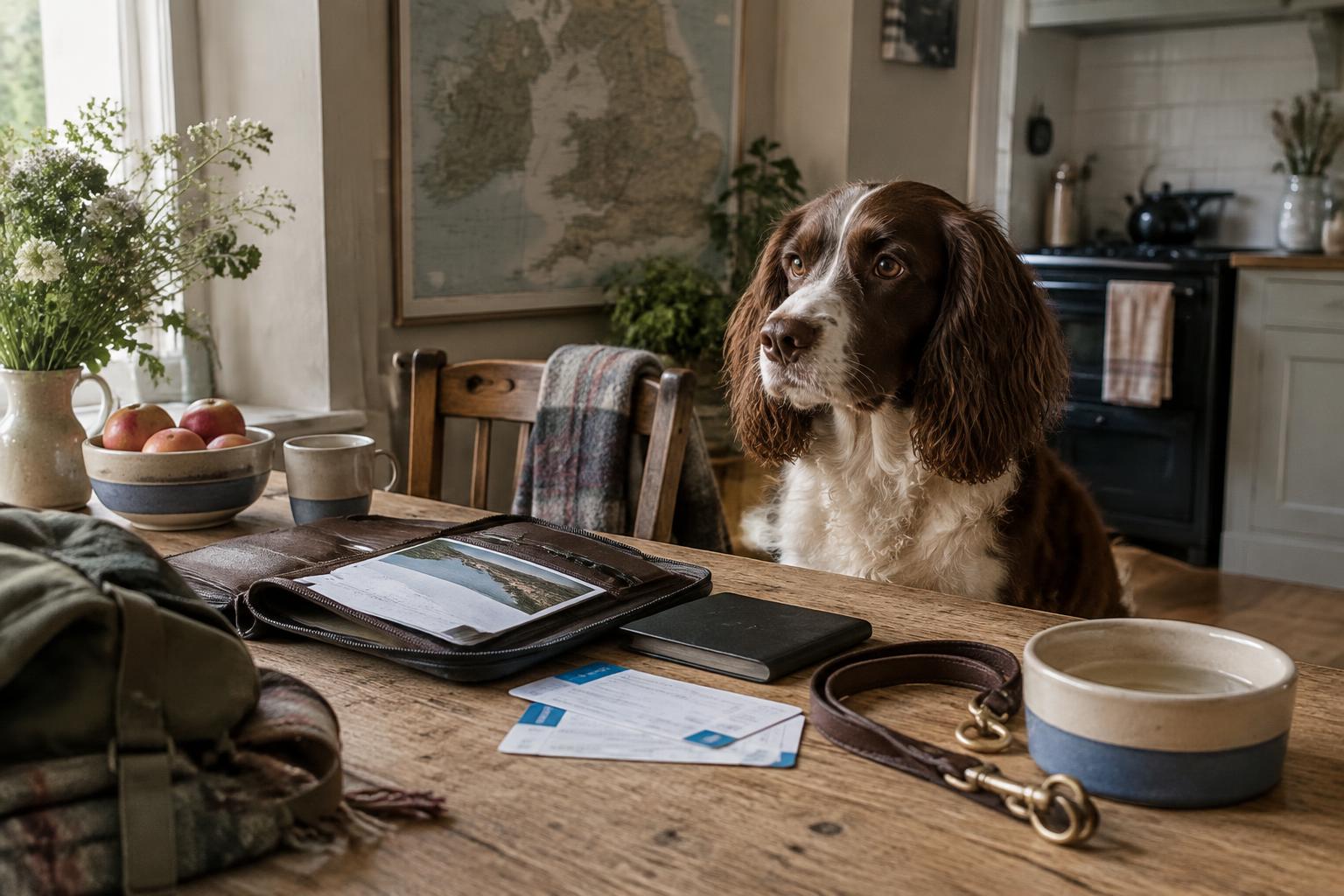
I get asked this a lot, usually by a client who's Irish themselves, or married into an Irish family, and suddenly needs to work out what taking the dog home for a visit actually involves. It's not just booking a ferry and packing a bag. Add a dog or cat, a veterinary appointment and a connection across Wales, and it becomes a small project in its own right, which, as someone who plans things for a living, is exactly the kind of thing I enjoy untangling.
The most important first step is to be precise about the route, because Great Britain, Northern Ireland and the Republic of Ireland do not all follow the same pet-travel arrangements.
First, know which places the rules mean
Great Britain means England, Scotland and Wales. Northern Ireland is part of the United Kingdom, but it has separate pet-travel arrangements. The Republic of Ireland is an EU member state. That means “travelling within the UK” and “travelling to the island of Ireland” are not specific enough when you're checking the rules.
If you live in Great Britain and are travelling to Ireland
A dog, cat or ferret will normally need to be microchipped and have a valid rabies vaccination. The microchip must be implanted, read and recorded before the rabies vaccination used for travel. Following a first rabies vaccination, the wait is at least 21 full days, although the vaccine datasheet may require longer.
You will also need an Animal Health Certificate issued by an Official Veterinarian. Under the rules introduced in April 2026, it is valid for entry to the EU for ten days from issue, then for onward EU travel and re-entry to Great Britain for up to six months, provided the rabies vaccination remains valid. A new certificate is needed for each separate trip from Great Britain into the EU.
Dogs entering Ireland from Great Britain need tapeworm treatment administered and recorded by a vet no less than 24 hours and no more than 120 hours before scheduled arrival. Cats do not need this treatment.
What this actually costs
Prices vary by practice, so treat these indicative ranges as a planning guide, not a quote. Prices checked: 20 September 2026.
| Requirement | Typical cost | Notes |
|---|---|---|
| Microchipping | £15–£30 | Some practices and charities include this for puppies |
| Rabies vaccination | £50–£70 | Per dose; check timing against the waiting period |
| Animal Health Certificate | £100–£250 | The veterinary appointment and paperwork |
| Tapeworm treatment | £20–£40 | Dogs entering Ireland; vet-administered in the required window |
If you'd rather not track down an Official Veterinarian yourself, London mobile specialists such as Pet Setters issue Animal Health Certificates door to door.
Book the pet, not just the passenger
Ferry companies have their own rules in addition to the legal entry requirements. The pet must be added to the booking, and the options vary by route, sailing and vessel. They may include a kennel, Pet Den or lounge, pet-friendly cabin, or remaining in a vehicle.
If you're travelling on foot, check the pet facility before buying a train ticket. Irish Ferries and Stena Line require pets to be pre-booked, with the appropriate onboard option confirmed for the exact sailing.
A sensible planning timeline
- Six to eight weeks before: confirm the route, microchip and rabies record, and ask an Official Veterinarian about the current certificate process.
- Before booking: confirm that the exact ferry and sailing accepts your pet in an arrangement that suits them.
- Within the certificate window: attend the Official Veterinarian appointment and check every entry before leaving.
- For dogs entering Ireland: schedule tapeworm treatment for 24 to 120 hours before arrival.
- Before travelling: arrange any required arrival compliance check, reconfirm operator policy and keep original documents accessible.
Keep reading
Related pet travel guides
Decided your pet might be happier at home?
Not every journey is right for every pet. Fetch Travels can care for your dog or cat in the comfort of their own home, with familiar routines and regular updates while you're away.
Sources
Check the current guidance
- GOV.UK, Taking your pet dog, cat or ferret abroad
- GOV.UK, Bringing your pet dog, cat or ferret to Great Britain
- Ireland Department of Agriculture, Pet Travel
- DAERA, Pet travel guidance
- Irish Ferries, Pet Travel FAQ
- Stena Line, Travelling with pets on the Irish Sea
- Pet Setters, mobile Animal Health Certificates in London
This guide is provided for general information and reflects rules and prices we understood to be accurate on the “last fact-checked” date shown above. Pet-travel rules, ferry and transport-provider policies, and veterinary costs can all change, and some, including Irish public transport’s pet policy, are under active review as we publish this. Always confirm current requirements with the official sources linked in this article, and with your vet, before booking or travelling. Fetch Travels provides in-home pet sitting in London; we do not currently offer pet-travel planning, veterinary coordination, or relocation services.